Making Mary Relevant
Cultural Indigenization as Stress Reducer

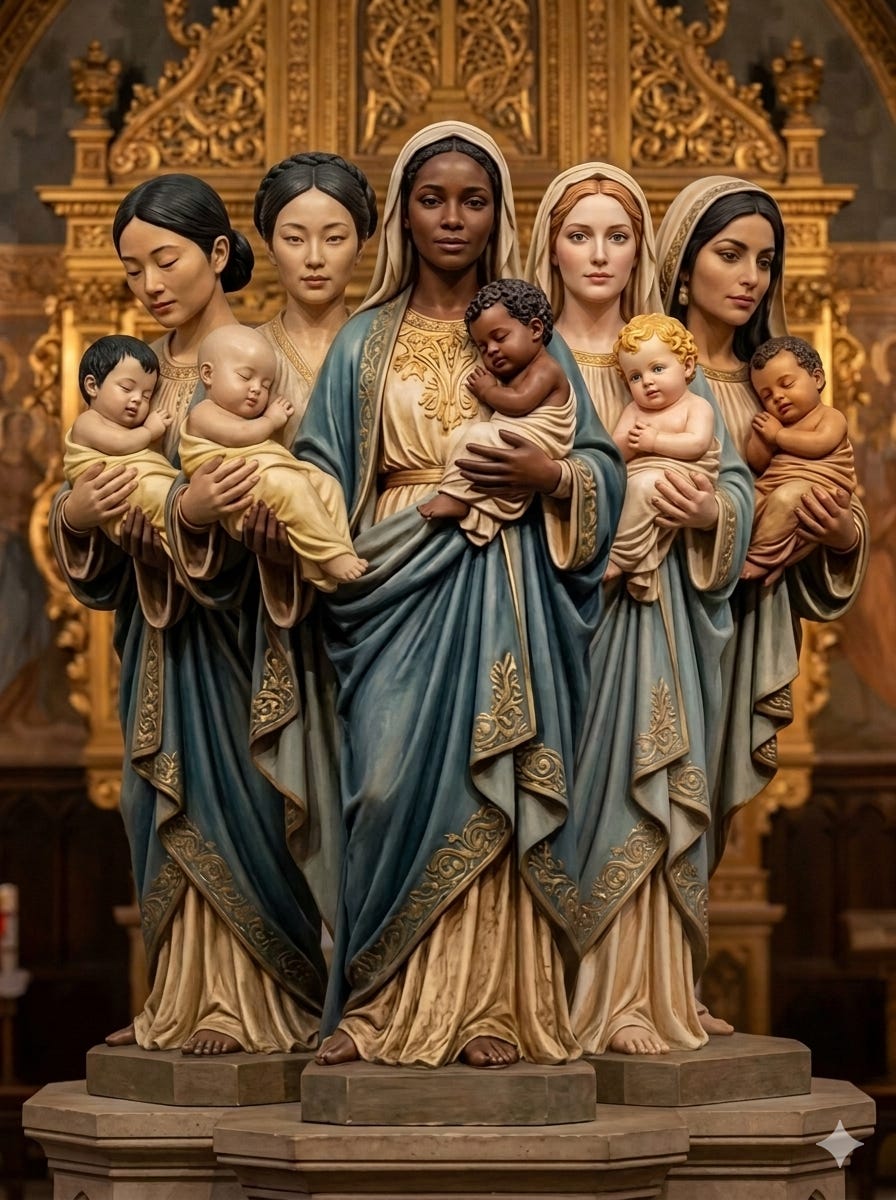
Religion represents a particularly rich symbolic environment that is ripe for creative intervention.
Cultural Polysemy
Polysemy means that signs, symbols, and images have many possible interpretations or meanings. That’s true largely because the social and cultural contexts in which people live differ from place to place. People are conditioned to see or imagine things differently.
No photos or realistic graphics appear in the holy books. So, for instance, no one has a precise idea of what Jesus Christ looked like. Various world cultures make of him what they want so that he appears to be one of them.
The same is true of Mary, the mother of Jesus, according to the Christian story. Her polysemic nature and visual prominence are particularly important for establishing and maintaining a strong Christian presence in many parts of the world.
Mary, mother of Jesus Christ
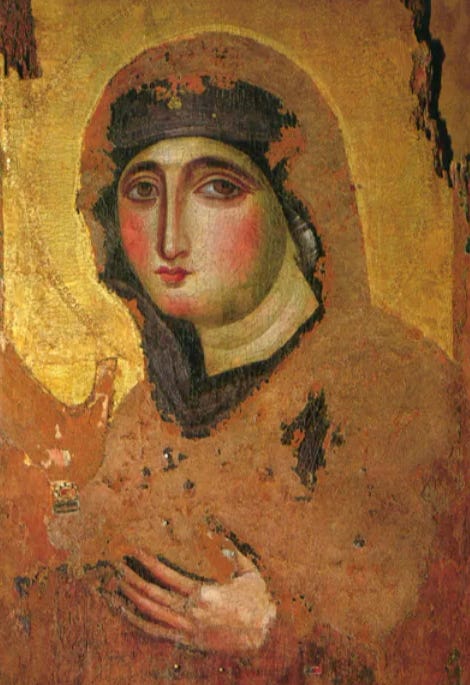
Mary was chosen by God to bring the savior into the world. She physically made Christianity possible, and became the first person to take care of Jesus. The universal role of a loving mother makes Mary a model believer and disciple of Jesus Christ.
Furthermore, her willing obedience, faith, and role as the “new Eve” reversed the disobedience of the biblical first woman on Earth (by eating an apple, according to scripture).
Consequently, many female Christians have a very strong emotional attachment to Mary.
The Mary pictured above is Wikipedia’s best guess at what she would have looked like as a young woman from Nazareth in Galilee (present-day Israel) more than 2,000 years ago.
Indigenized Mary
Indigenization refers to a process where symbolic cultural forms like music or material forms like food are adapted to fit local culture. We have explored some of these hybrids in previous Substack posts.
But the creative indigenization of religious iconography has a special influence on world cultures, particularly under conditions of stress.
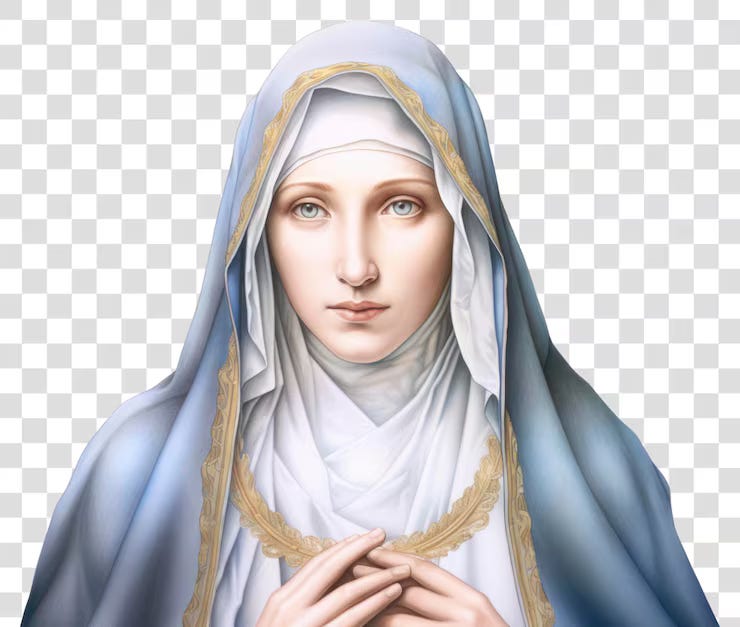
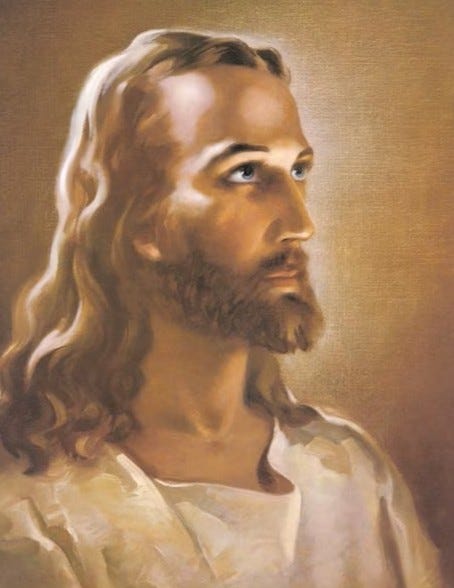
In the United States and throughout northern Europe, Mary is usually represented as a Caucasian woman. Jesus takes on Caucasian features too.
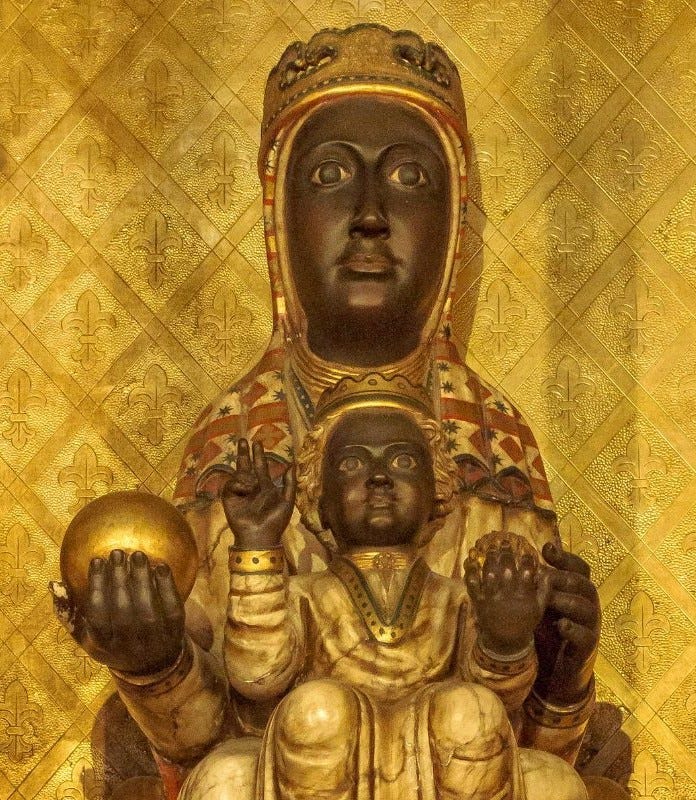
In Sub-Saharan Africa, Mary becomes Mama Maria (the Black Madonna).
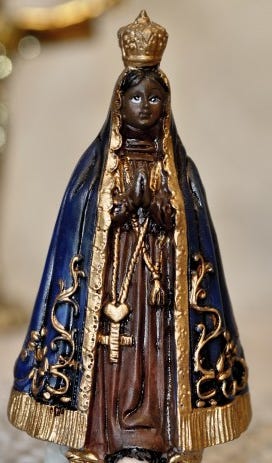
In Brazil, Mary is typically portrayed as a black African descendant, Nossa Senhora Aparecida (Our Lady who has Appeared).
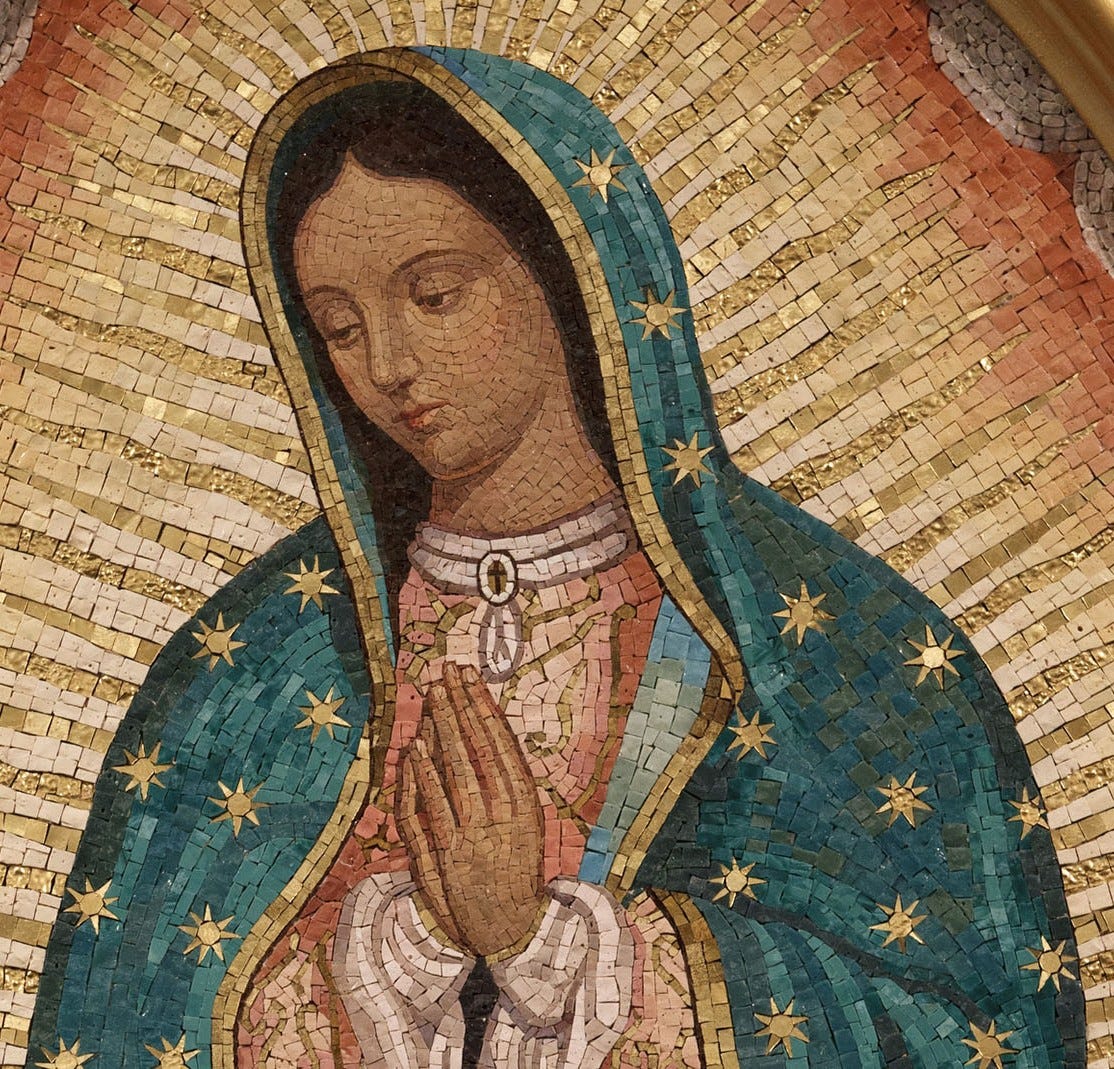
In Latin America, Jesus' mother is brown skinned and primarily referred to as La Virgen María (The Virgin Mary), La Virgen, or La Virgencita.
She is venerated through various regional titles, most notably Nuestra Señora de Guadalupe (Our Lady of Guadalupe), who is considered the patroness of the Americas and often called La Virgen Morena (the brown virgin). The señora is especially revered in Mexico.
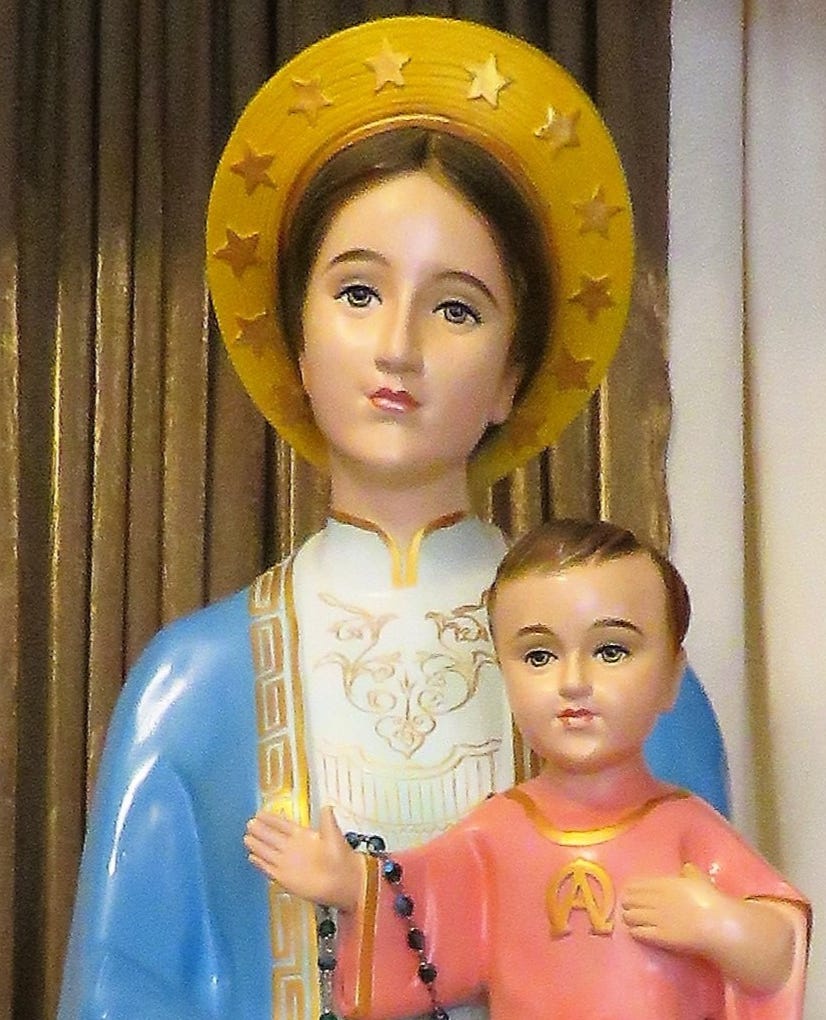
Asian cultures and Asians outside their home countries have adapted Christianity’s iconography to suit them ethnically, too. In Vietnam, and among Vietnamese immigrants outside the country, she is is Our Lady of La Vang.
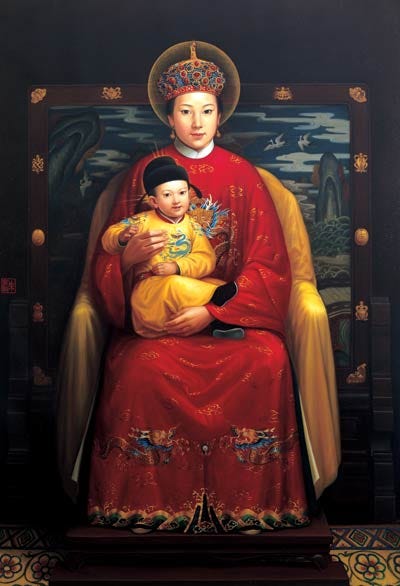
Mary in China is typically portrayed in Chinese imperial robes. She is known as Our Lady of China. Legend has it that she protected villagers in an historical civil uprising in China—the Boxer Rebellion.
Cultural Importance of Religion
Many of the shared values and behavioral patterns typical of a cultural group intertwine with the group’s ties to religious belief.
Religious bonding serves evolutionary purposes because it protects people and makes them accountable to others. Religions evolved as ways to hold people together as communities.
In fact, religious extremists of all faiths don’t think of religious belief as “part of life.” They consider religious beliefs, practices, and rituals to be the very essence of life.
Religious Branding

The various “Mary’s” around the world have played a crucial role in establishing and maintaining Christian belief systems in a wide range of cultures. Most of those cultures have other religious and secular systems with which Christianity must compete.
In this sense, Mary has become an emotionally powerful symbolic form that performs as an agent of religious branding.
The Global and the Local
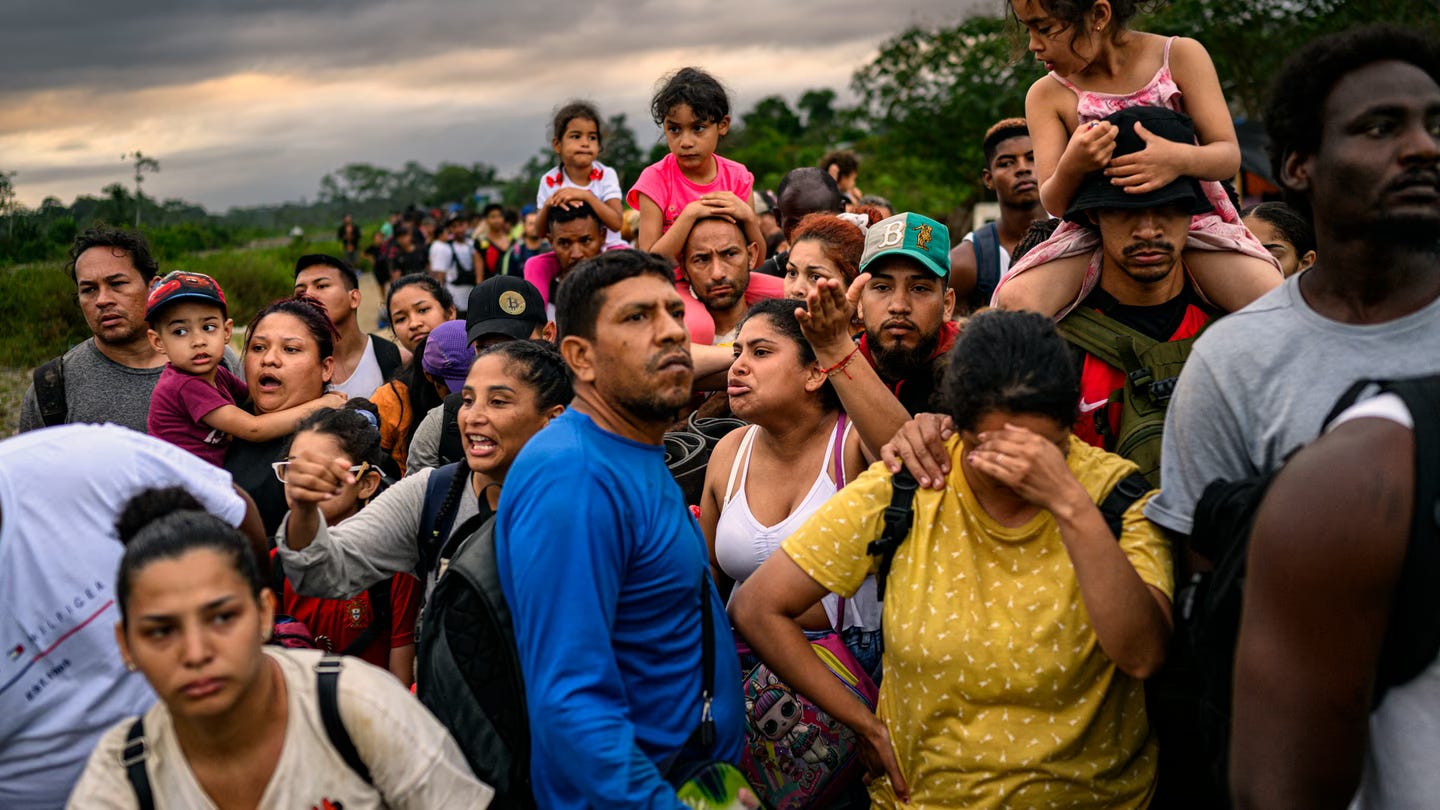
Humans have always been on the move. But driven today by civil war, political instability, overpopulation in poor countries, climate change, gang warfare, and economic desperation, people have been migrating in unprecedented numbers.
These conditions have caused people of different ethnic and cultural appearances and backgrounds to suddenly come into contact with each other. When this happens, the natural tendency is for people to react with concern, even fear.
Neuroscientific research shows that the default position in human social relations is “Us” versus “Them.” We are born with an innate fear of people who don’t look like us (see Robert Sapolsky’s work).
Individual religious commitment and identity strengthen when people feel threatened. The indigenized Mary, mother of Jesus, serves as one of the most important cultural touchstones for Christians around the world as they navigate the sudden diversity that surrounds them.
Adapt to Survive and Thrive in any Environment…
The perspective presented in my Substack posts is based on science that explains how communication drives the development of organic life, culture, and technology.
Click on my image below to go to my website. There you can learn much more about my research, books, videos, and commentaries in English and Spanish.

Cultural indigenization and many more examples that reveal the power of human expression are featured in my latest book, available “on sale” from the publisher (Routledge USA) or from amazon.com. Click on the cover to consider a purchase.
